

When you run a 15-person company, your next hire is not one of a thousand. It might be one of fifteen. Get it wrong, and the effect on the team, the budget, and the work that doesn’t get done is immediate, not theoretical. This is why more small and mid-sized businesses are turning to AI hiring platforms: software that screens, assesses, and helps rank candidates before a manager ever sits down for an interview. Done well, it turns hiring from a gut-feel process into a structured one, and it measurably lowers the odds of a bad hire. This guide covers what an AI hiring platform actually does, how it differs from a basic applicant tracker, what to look for before you buy one, and how to work out whether it’s worth the cost for a business your size.
Why SMB Hiring Is Different from Enterprise Hiring
A large company can lose a mediocre hire in the org chart. A small business feels it immediately: in the work that doesn’t get done, in a manager’s schedule, in team morale. SMB hiring usually happens without a dedicated recruiting function, since the person doing the hiring is often also running the business, which means less time for a rigorous process and more pressure to fill the seat fast.
That combination, high stakes per hire and limited time to hire carefully, is exactly the gap AI hiring platforms are built to close.
The Real Cost of Getting an SMB Hire Wrong
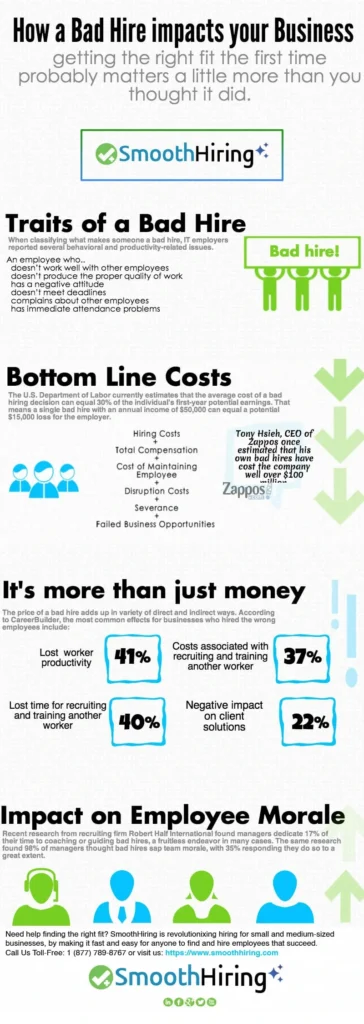
The numbers are worth repeating briefly. The U.S. Department of Labor sets the floor at 30% of a bad hire’s first-year salary. CareerBuilder’s employer survey found that nearly three in four businesses (74%) who made a bad hire took a real financial hit, averaging roughly $15,000 to $17,000 for entry to mid-level roles. SHRM puts full replacement costs, once lost productivity and retraining are included, at 50% to 200% of annual salary for specialized or senior positions.
For the complete breakdown of direct and indirect costs, including a table by role level, see the full guide: The Cost of a Bad Hire.
What an AI Hiring Platform Actually Does
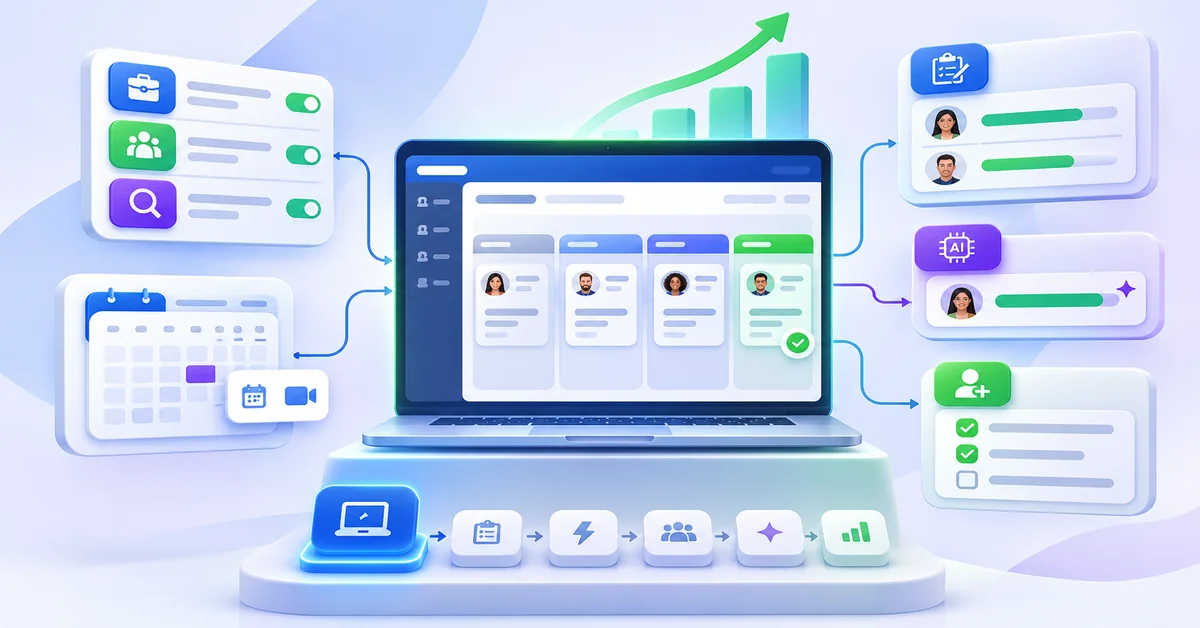
“AI hiring platform” covers a range of tools, but the useful ones generally handle a few things well:
Screening and ranking applications against the actual requirements of the role, instead of a keyword scan of the resume
Pre-employment and behavioral assessments that measure fit and working style, not just stated experience
Predictive scoring based on traits statistically associated with success in a specific role, rather than a generic personality test
Structured interview support, so every candidate is evaluated against the same criteria
Centralizing all of it (applications, assessments, interview notes, and scheduling) in one applicant tracking system, so nothing falls through the cracks
SmoothHiring, for example, combines predictive hiring, behavioral assessments, and an applicant tracking system in one place, built specifically for SMB hiring rather than adapted from an enterprise product.
How AI Actually Reduces Bad-Hire Risk
It’s less about prediction and more about consistency. A hiring manager interviewing five candidates in one week will naturally judge the third candidate differently depending on how the first two went, or what kind of day it’s been. That’s normal, and it’s also a source of bad hires.
Structured, AI-Assisted Screening removes some of that variance. Every candidate is scored against the same criteria. Assessments are validated against actual job performance data rather than a manager’s impression in the room. And because screening happens faster, there’s less pressure to rush a decision just to fill the seat.
None of this replaces good judgment. Structured interviews, reference checks, and a manager who knows the role are still part of a sound hiring process. An AI hiring platform is a layer that reduces risk in the parts of hiring most prone to bias and time pressure. It’s not a replacement for the rest of the process.
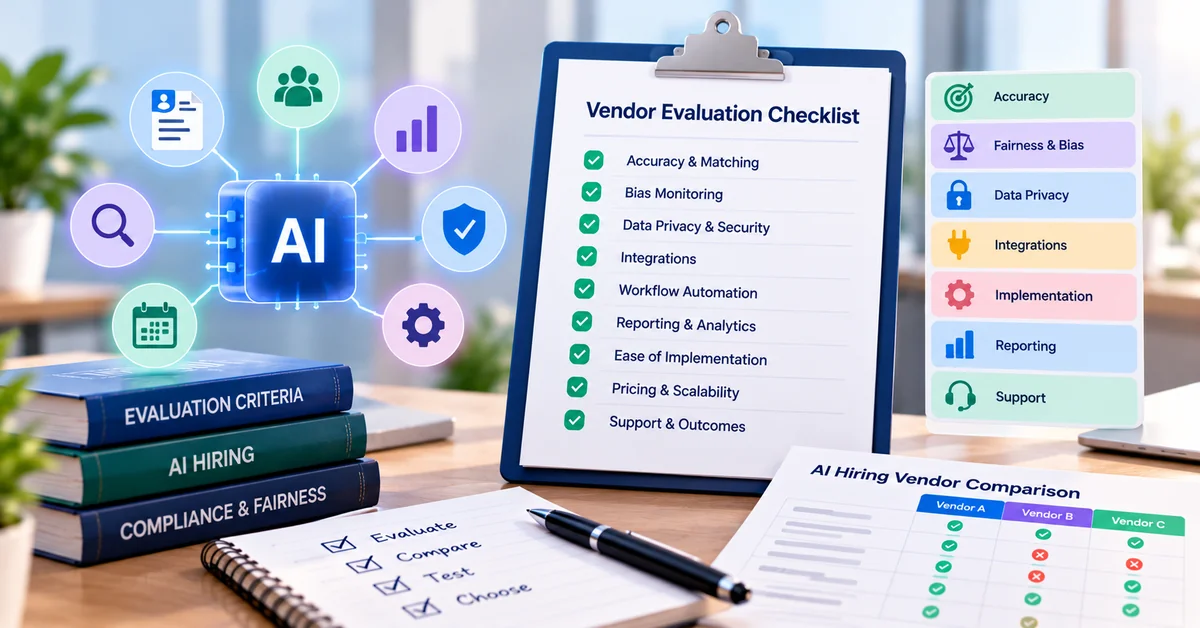
What to Look for in a Hiring Platform for Your SMB
Validated assessments. Ask whether the scoring is backed by data on actual job performance, not just a personality quiz with an AI label on it.
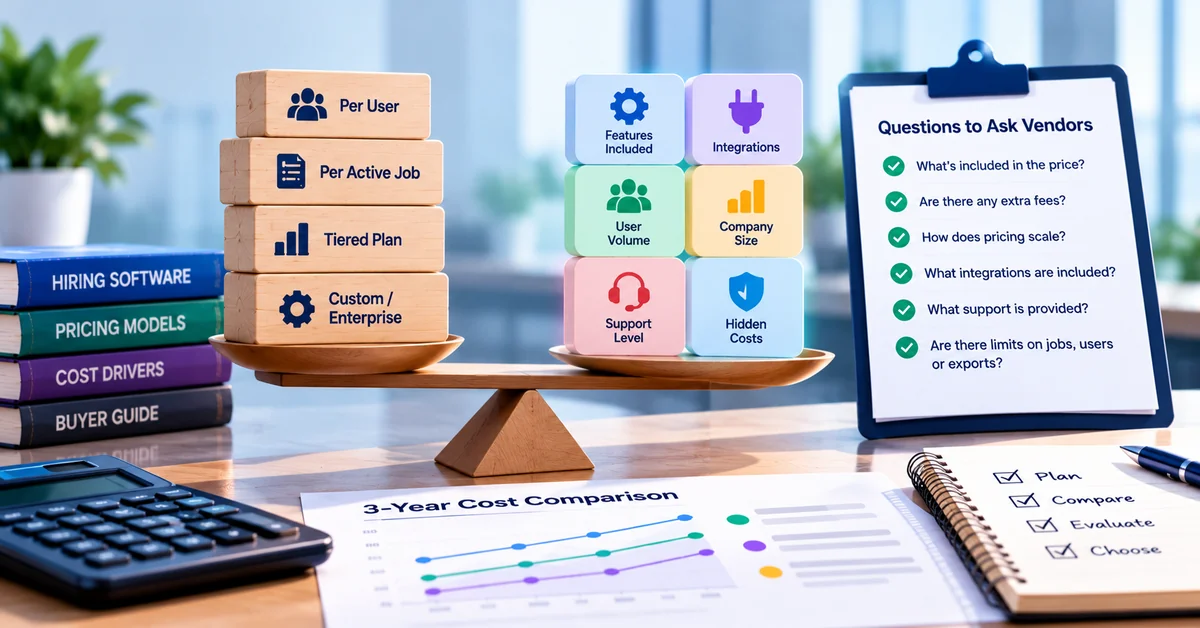
SMB-friendly, transparent pricing. Enterprise platforms often price by seat or module in ways that don’t make sense for a 10 to 200-person company.
ATS and assessments in one platform. Stitching together a separate ATS, assessment tool, and scheduler adds cost and creates gaps.
Job board integrations. Look for direct posting to the boards you actually use (LinkedIn, Indeed, ZipRecruiter, and similar).
Usability for non-recruiters. If the hiring manager is also the office manager, the tool needs to work without training.
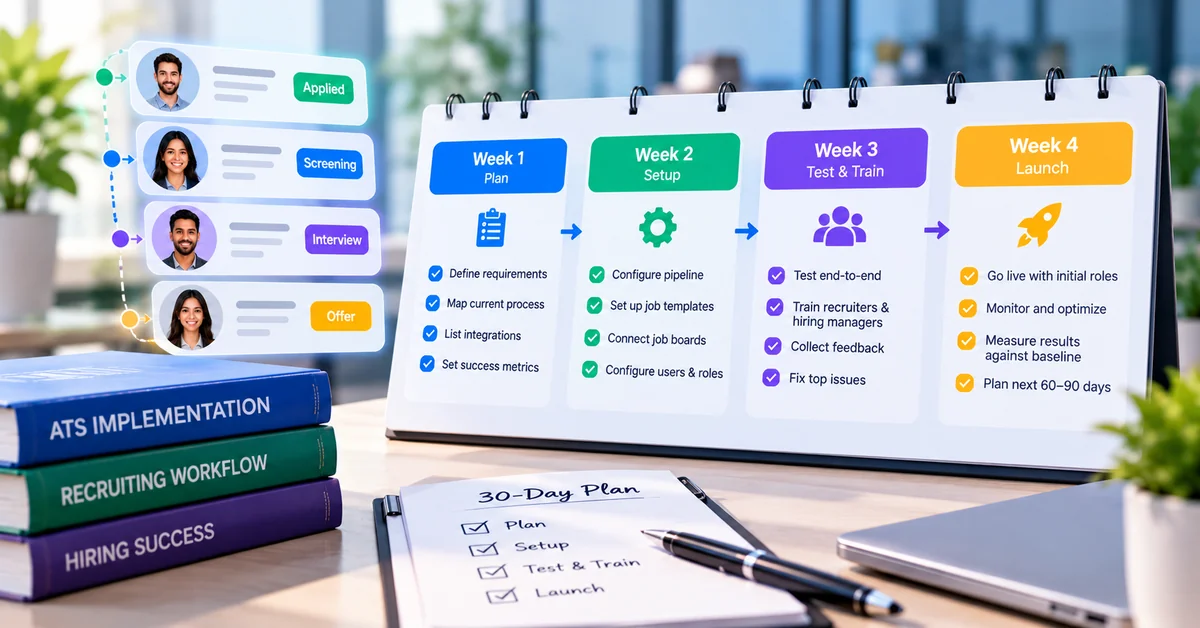
Fast time-to-value. You should be posting a role and screening candidates within days, not weeks, of onboarding.
Support for structured interviews, not just resume screening.
Reporting that shows you where candidates drop off and how your hiring is actually performing over time.
Is an AI Hiring Platform Worth It for a Small Business?
Run the math on your own numbers. If a mid-level bad hire costs your business $15,000 to $17,000 (the CareerBuilder average) and a hiring platform costs a few hundred dollars a month, avoiding a single bad hire covers a year or more of the software. Most SMBs don’t hire often enough to justify a full-time recruiter, but almost all of them hire often enough for one bad decision to be expensive.
For a closer look at your own numbers, cost-per-hire, time-to-fill, and where a bad hire would hit hardest, see SmoothHiring’s Hiring Platform ROI Calculator.
Frequently Asked Questions
What is an AI hiring platform?
What is an AI hiring platform?
An AI Hiring Platform is software that uses automated screening, predictive scoring, or behavioral assessments to help evaluate job candidates, beyond simply storing resumes and applications. Most combine an applicant tracking system with assessment tools, so hiring managers see a ranked, scored view of who’s actually a fit for the role.
How is an AI hiring platform different from a regular ATS?
A basic ATS mainly organizes applications and tracks candidates through your pipeline. An AI hiring platform adds scoring, ranking, and often predictive or behavioral assessments on top of that, helping you evaluate fit before an interview instead of relying entirely on a resume and a conversation.
Is AI hiring software worth it for a small business?
For most SMBs, yes. A single bad hire commonly costs $15,000 or more, while SMB-focused hiring platforms typically run a few hundred dollars a month. Avoiding even one bad hire a year usually covers the software cost, on top of the time saved screening candidates manually.
How much does a bad hire cost an SMB?
At minimum, 30% of the employee’s first-year salary, according to the U.S. Department of Labor. CareerBuilder’s employer survey puts average losses at roughly $15,000 to $17,000 for entry to mid-level roles, while SHRM estimates full replacement costs can reach 50% to 200% of annual salary for senior or specialized positions.
What should SMBs look for when choosing a hiring platform?
Look for validated assessments (not just an AI label), transparent pricing built for smaller teams, an ATS combined with assessments in one place, integration with the job boards you actually use, and a tool simple enough for a non-recruiter to run without training.
Can AI hiring reduce bias in hiring decisions?
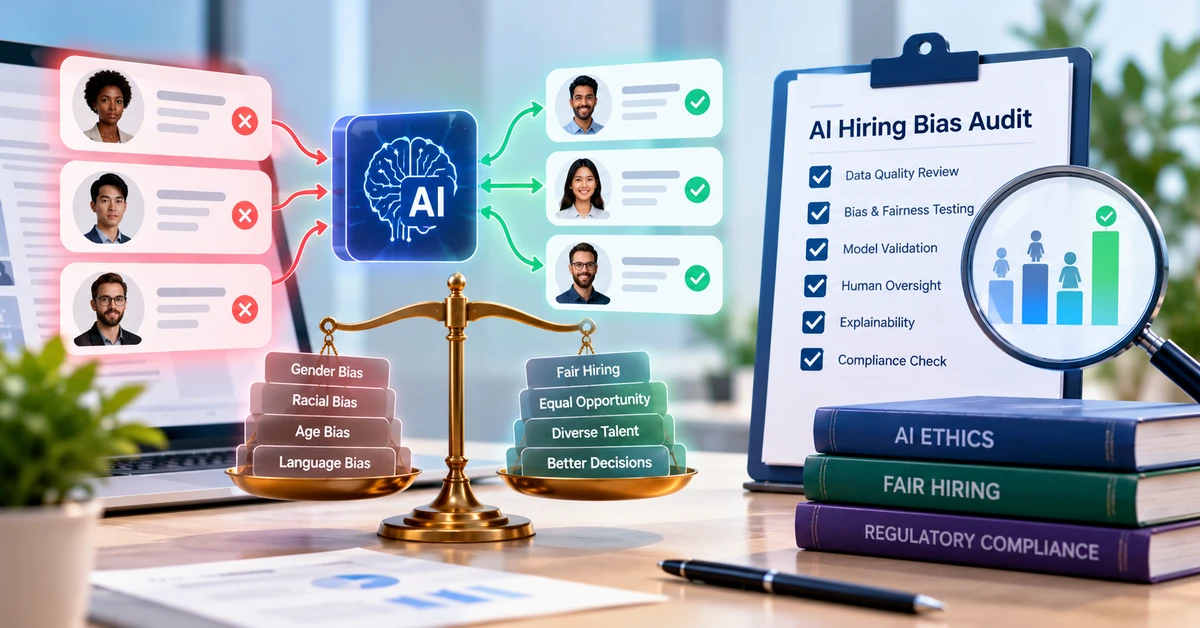
It can help, when the assessments are validated and every candidate is scored against the same criteria. It does not eliminate bias automatically. Tools built on unvalidated data or vague “culture fit” scoring can introduce new bias, so it’s worth asking any vendor how their scoring was validated.
SmoothHiring’s patented technology will take your job requirements and our fit survey and instantly identify which candidates have what it takes to succeed. Join thousands of growing businesses using ClearFit to save time and hire the best people for the job. Try us today !


