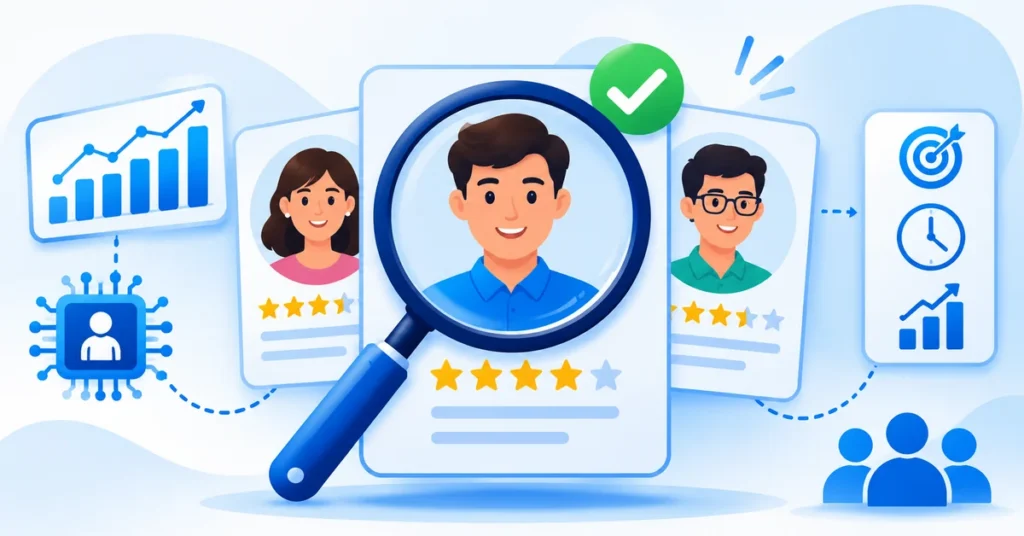
Short answer: Predictive analytics in recruitment uses past hiring data, such as assessment results, interview scores, job performance and retention, to estimate what is likely to happen next: which candidates are likely to succeed, who may leave early, how long a role will take to fill and which sources produce the best hires. It informs decisions; people still make them.
Most hiring reports tell you what already happened: how many people applied, how long the last role took to fill, how many hires left in their first year. Predictive analytics in recruitment uses that same history to estimate what is likely to happen next, so you can act earlier. This guide explains how it works, what it can and cannot predict, the data it needs and how to judge whether it is helping.
However, you can transform this process into a strategic advantage with predictive analytics. By harnessing the power of data and advanced algorithms, predictive analytics enables you to predict candidate success, assess cultural fit, and streamline your hiring processes like never before. This isn’t just about efficiency—it’s about making smarter, more data-driven decisions that can drive your business forward in an increasingly competitive landscape.
What is predictive analytics in recruitment?
.Predictive analytics is the use of statistics and machine learning on historical data to estimate future outcomes. By analyzing historical data on candidate attributes, job performance, and retention rates. By analyzing historical data on candidate attributes, job performance, and retention rates, it can identify patterns and correlations that traditional methods might miss. In recruitment, the outcome is usually a hiring result, such as performance after six months, retention after a year or whether an offer is accepted. When SmoothHiring applies these models to candidate assessments, we call it predictive hiring.
Four types of recruitment analytics
Type Question it answers Recruiting example Descriptive What happened? Average time to fill for sales roles last quarter Diagnostic Why did it happen? Most drop-off happened between the phone screen and the interview Predictive What is likely to happen? This applicant’s assessment profile matches people who stayed more than a year Prescriptive What should we do about it? Move strong-fit applicants to interview within 48 hours
| Type | Question it answers | Recruiting example |
|---|---|---|
| Descriptive | What happened? | Average time to fill for sales roles last quarter |
| Diagnostic | Why did it happen? | Most drop-off happened between the phone screen and the interview |
| Predictive | What is likely to happen? | This applicant’s assessment profile matches people who stayed more than a year |
| Prescriptive | What should we do about it? | Move strong-fit applicants to interview within 48 hours |
The last row is workforce planning rather than candidate selection; see how AI is used to forecast workforce needs.
What data do you need for predictive analytics in hiring?
1. Consistent applicant stages and dates from your applicant tracking system
2. The same assessment or structured interview used for everyone applying to a role
3. An outcome to predict, recorded the same way each time, such as 90-day retention or a manager rating at six months
4. Source data showing where each applicant came from
Small businesses rarely have enough hires to build their own models. That is why most use tools whose models were built on larger data sets, such as validated assessments, and then check the results against their own hires. Our practical framework for SMBs walks through that approach.
Benefits of using predictive analytics in hiring
First, it can improve the efficiency of the hiring process by automating repetitive tasks such as resume screening and candidate scoring… Secondly, predictive analytics can improve the quality of hires by identifying candidates who possess the necessary skills and align with your company’s values and culture.
Moreover, predictive analytics can help flag candidates whose profiles resemble past early leavers, allowing proactive measures to be taken to retain valuable talent.
How predictive analytics is changing recruiting work
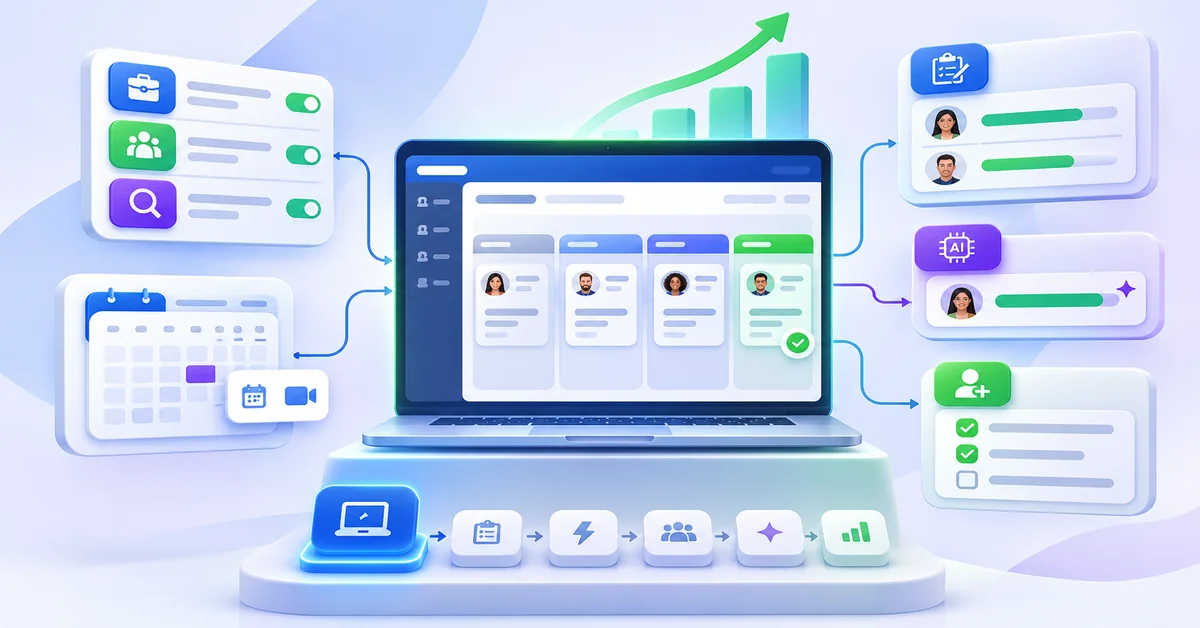
The advent of predictive hiring analytics tools is reshaping the hiring process by providing actionable insights that were previously inaccessible. These tools utilize machine learning algorithms to analyze vast amounts of data, ranging from candidate resumes to social media profiles and psychometric assessments. By identifying patterns in this data, recruiters can make more accurate predictions about candidate performance and potential fit within the organization.
Some tools also analyze interview answers with language models. Treat these with care: scoring tone or facial expressions is hard to validate and is restricted in some jurisdictions. Additionally, predictive analytics tools can create candidate similarity models based on successful past hires, which only works if those past hires were chosen fairly.
How to measure whether predictive analytics is working
1. Time-to-hire
2. Cost-per-hire
3. Quality of hire
4. Candidate satisfaction
The most important check is whether predictions match outcomes. Compare the scores of people you hired with their 90-day retention and later performance ratings, and review the results each quarter. For more depth, see why quality of hire is a lagging indicator and how to build the business case and ROI.
Implement Reporting Setup
Implementing a comprehensive reporting setup is crucial for extracting actionable insights from your predictive analytics data. Begin by designing customizable reporting templates that align with your business objectives and hiring goals. These templates should include metrics specific to your organization’s needs, such as diversity metrics, performance predictions, and candidate engagement analytics.
Next, establish a regular cadence for reporting and review sessions with key stakeholders, including HR managers, hiring teams, and senior leadership. Use these sessions to discuss findings from predictive analytics reports, identify trends, and make informed decisions about recruitment strategies. Additionally, consider investing in visualization tools that transform complex data sets into clear, easy-to-understand graphs and charts.
Examples of predictive analytics in recruitment
These are illustrative scenarios, not customer results. IT services: a 40-person software firm notices that developers who leave within six months scored low on one assessment trait linked to working without close direction. It adds a structured interview question on that trait for remote roles. Fintech: a payments startup hiring support agents tracks which job boards produced hires still employed after a year and shifts its job ad budget toward those sources. Growing SMB: a company that hires seasonally uses past time-to-fill data to start recruiting six weeks earlier than it used to.
Challenges and Limitations of Predictive Analytics in Recruitment
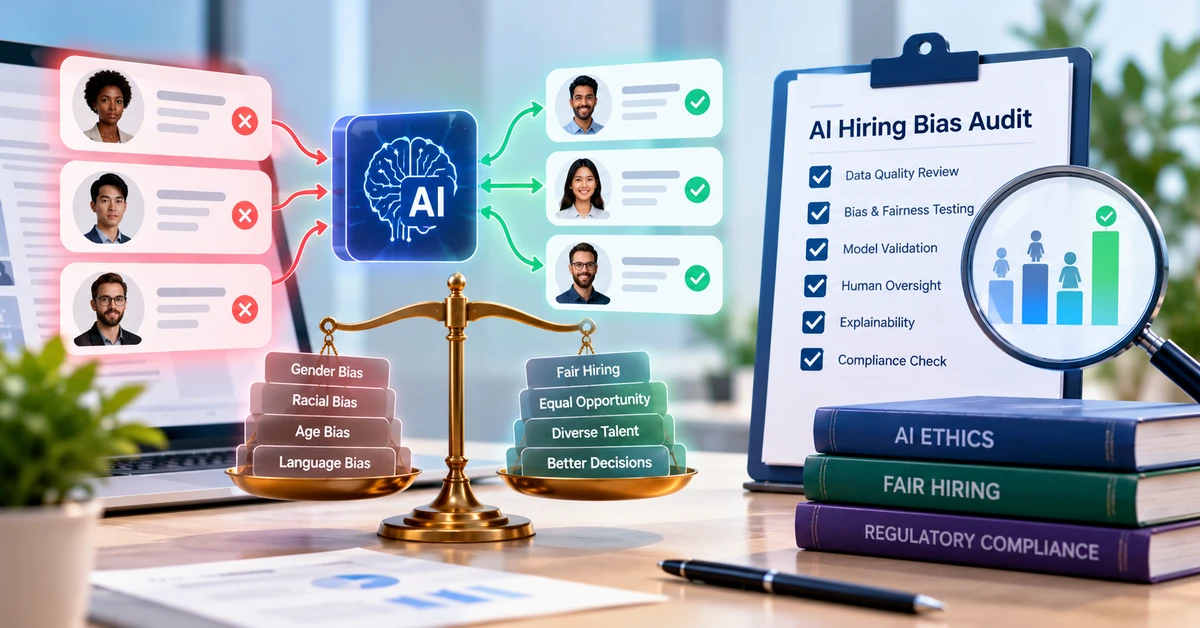
While predictive hiring offers significant advantages, it has challenges and limitations. One common challenge is the quality of data used to train predictive models. Biases and inconsistencies in historical data can lead to skewed predictions and reinforce existing inequalities in hiring practices. To mitigate this risk, it is essential to regularly audit and update your data sources, ensuring they reflect your workforce’s diversity and evolving dynamics.
Another challenge is the complexity of interpreting predictive analytics results. While algorithms can generate predictive insights, interpreting these insights requires domain expertise and human judgment. Over-reliance on algorithms without contextual understanding can lead to misguided decisions and missed opportunities to identify exceptional candidates.
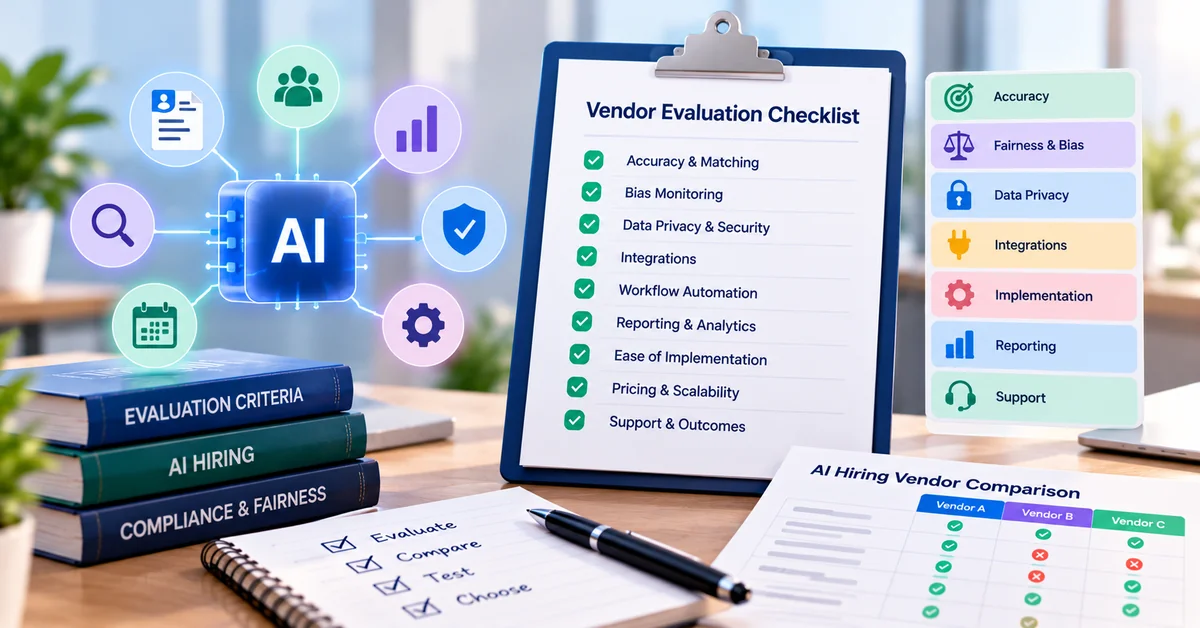
There are legal limits too. In the US, federal anti-discrimination law applies to decisions made with the help of algorithms, so check selection rates by group for adverse impact. Some places, such as New York City, require a bias audit and candidate notice before automated tools are used. Use assessments with published validation evidence; our explainer on what ‘validated’ actually means covers what to ask for, and our guide to auditing hiring tools for fairness covers the checks.
Frequently asked questions
What is predictive analytics in recruitment?
What is predictive analytics in recruitment?
It is the use of historical hiring data, such as assessment results, interview scores, performance and retention, to estimate future hiring outcomes, like which candidates are likely to succeed or how long a role will take to fill.
How is predictive analytics used in hiring?
Common uses are ranking candidates by predicted job fit, flagging early-turnover risk, estimating time to fill, judging which job boards produce lasting hires and planning future hiring needs.
What is the difference between predictive analytics and predictive hiring?
Predictive analytics is the general method of forecasting from data. Predictive hiring applies it to candidate selection, usually through validated assessments that estimate job fit. See how SmoothHiring’s predictive hiring works.
What data do you need to use predictive analytics in recruitment?
You need consistent applicant tracking data, the same assessment or structured interview for each role, a clearly recorded outcome such as 90-day retention, and source data showing where hires came from.
Can small businesses use predictive analytics for hiring?
Yes. Most small businesses do not have enough hires to build their own models, so they use tools with validated assessments built on larger data sets and check the results against their own hiring outcomes.
Is predictive analytics in hiring biased?
It can be. Models trained on biased past decisions can repeat that bias. Use job-related data, monitor selection rates by group, keep people responsible for final decisions and follow local rules on automated hiring tools.
Conclusion
Predictive analytics in recruitment works best as a second opinion grounded in data: it points to likely outcomes, and your team decides what to do with them. Start with clean applicant tracking data and one outcome you care about, such as 90-day retention, then check whether your predictions hold up. To see how SmoothHiring uses validated assessments to predict job fit, explore predictive hiring or start a 14-day free trial.
Sounds interesting? Let us know about your hiring needs by reaching us at 1 (877) 789-8767 or sales@smoothhiring.com!