





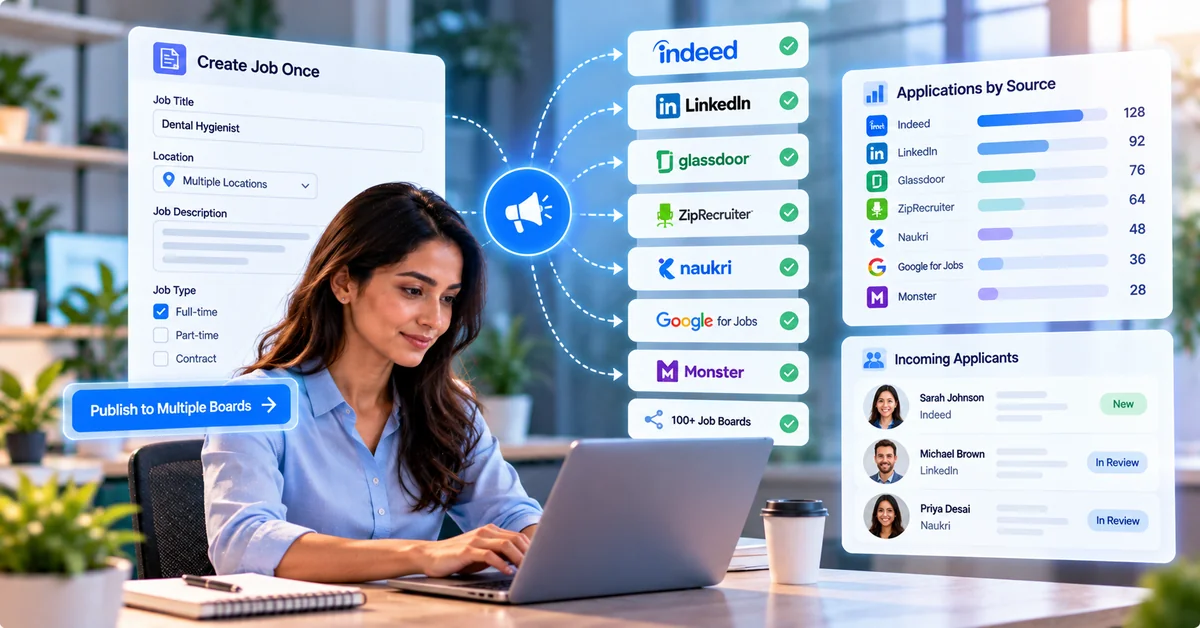
Hiring the right talent is often like searching for a needle in a haystack. Fortunately, with the rise of Applicant Tracking Systems (ATS), the recruitment process has become a whole lot easier.
My friend Anna, an HR manager, was always buried under stacks of resumes, manually sorting through each one. She often joked that she spent more time reading about hobbies and irrelevant skills than actually finding qualified candidates. After struggling with a chaotic hiring process and missing out on great candidates due to disorganization, she finally had a chance to try the Applicant Tracking System (ATS). The ATS streamlined the entire process, from posting job ads to tracking applicants. Anna no longer had to wade through piles of paper; the system automatically filtered candidates based on her specified criteria. This newfound efficiency not only saved countless hours but also improved the quality of hires!

99% of Fortune 500 Companies are Using ATS
Imagine running a massive corporation with thousands of job applications flooding in daily. These companies need to sort through mountains of resumes quickly and efficiently, and an ATS does just that. Fortune 500 companies using ATS is a testament to their effectiveness! Tedious tasks like resume screening and candidate sorting are automated, allowing recruiters to focus on finding the perfect fit for their teams.
Overall Stats of the Hiring Process
Let’s face it, the hiring process can be a bit of a marathon. On average, it takes about 27 days to fill a position, and recruiters have to sift through hundreds of applications. An Applicant Tracking System (ATS) can cut this time significantly. By automating the screening process, an ATS helps recruiters narrow down to the best candidate faster. This means more time for personal interaction and less time bogged down by paperwork. Common uses of ats include resume parsing, keyword-based screening, interview scheduling, and maintaining a searchable talent pipeline—practical uses of ats that keep teams organized and efficient.
70% of Large Companies are Using Applicant Tracking Systems
Think about it: with thousands of resumes to manage, having an ATS is like having a trusty sidekick that does all the manual work. It helps recruiters stay organized, make data-driven decisions, and ultimately, bring the best talent on board.
20% of Small and Medium-Sized Companies are Using ATS
Applicant Tracking Systems (ATS) is not just for the big players. Look around, and you will find nearly 20% of small and medium-sized enterprises using ATS, too. Small business owners cannot spend hours manually reviewing resumes. ATS isn’t just a luxury; it’s a game-changer!
94% of Recruiters are Getting Positive Results from an Applicant Tracking System
Here’s a fun fact. This high satisfaction rate comes from the efficiency and accuracy that an ATS brings to the table. Recruiters can find the best candidates faster, reduce human error, and create a smoother hiring process. It’s like having a superpower in the world of recruitment.
How much Impact Does ATS Have on the Hiring Process?
Let’s cut to the chase. So, what is the impact for you? We can assure you that it is nothing short of a transformative experience. It takes over repetitive tasks, slashes time-to-hire, and ensures candidates have a positive experience from start to finish. By maintaining a talent pool, an ATS also prepares you for future hiring needs, making the whole process more sustainable and less stressful.
Future of ATS in the Recruitment Process
The future of ats looks increasingly promising. With advancements in artificial intelligence and machine learning, ATS will only get smarter. Imagine an ATS that can predict the best fit candidates based on personality traits. Tailor the recruitment process to each candidate’s unique preferences. The possibilities are endless, and the future of recruitment looks more efficient and personalized than ever.
Challenges and Considerations
We do need human intervention; after all, no technology can take over a human touch. Implementing an ATS comes with its own set of challenges, like ensuring data privacy and avoiding over-reliance on automation. ATS is a tool to streamline your hiring process and not to replace the valuable insights of your team.
Different Types of Applicant Tracking Systems
There are various types of Applicant Tracking Systems (ATS) out there, each with its own set of features. From basic resume tracking to advanced AI-powered systems, there’s an ATS for every need and budget. Whether you’re a small business owner like Jane or a recruiter at a Fortune 500 company, reach out to us about your needs at 1 (877) 789-8767 or email us at help@smoothhiring.com

Final Thoughts on the Applicant Tracking System
In the fast-paced world of recruitment, an Applicant Tracking System (ATS) is a game-changer. As more companies, big and small, adopt this technology, the benefits become clearer. Here’s your chance to be part of this game-changing tool!
Frequently Asked Questions
What is an Applicant Tracking System (ATS), and what does it actually do?
What is an Applicant Tracking System (ATS), and what does it actually do?
An ATS streamlines recruiting by automating key steps like resume parsing, keyword-based screening, interview scheduling, and maintaining a searchable talent pipeline. By handling repetitive tasks and organizing candidate data, it reduces time-to-hire, improves hire quality, and frees recruiters to focus on meaningful candidate interactions and decision-making.
How widely adopted are ATS platforms, and what results are recruiters seeing?
Adoption is broad: 99% of Fortune 500 companies, 70% of large companies, and about 20% of SMBs use an ATS. The impact is positive—94% of recruiters report good results—largely because ATS tools efficiently handle high application volumes, cut manual work, and help teams make data-driven hiring decisions.
How does an ATS shorten the hiring timeline and improve the candidate experience?
With average time-to-fill around 27 days, ATS automation accelerates screening and scheduling, quickly surfacing best-fit applicants and reducing administrative delays. It also supports a talent pool for future roles, enabling faster re-engagement. The result is less paperwork, more timely communication, and a smoother, more personal candidate journey.
Will an ATS replace human judgment, and what challenges should I watch for?
No—human insight remains essential. While an ATS boosts efficiency, teams should avoid over-reliance on automation and stay vigilant about data privacy. The system is a tool to streamline processes, not a substitute for the nuanced evaluation and relationship-building that recruiters provide.
What does the future of ATS look like, and how do I choose the right one?
ATS platforms are becoming more predictive and personalized as AI and machine learning advance—envision tools that anticipate best-fit candidates and tailor the process to individual preferences. Today, you can choose from basic tracking to advanced AI-powered systems; match features to your needs and budget. To explore options or get started, reach out at 1 (877) 789-8767 or help@smoothhiring.com.


