Predictive hiring is the use of artificial intelligence, machine learning, and historical data to predict how well a candidate will perform in a specific role before they are hired. Many teams complement this with predictive hiring analytics to interpret model outputs and fine-tune hiring criteria over time.
It goes beyond the surface of resumes and interviews by analyzing patterns in past hiring data, behavioral assessments, cognitive testing, and job performance indicators. By evaluating traits such as problem-solving ability, adaptability, and cultural alignment, predictive hiring enables organizations to confidently choose candidates most likely to thrive in the role.
| Are you ready to make smarter, evidence-based hiring decisions using data instead of traditional guesswork? Reach out to us on 1 (877) 789 8767! |
How does Predictive Hiring work?
With this approach Predictive Hiring at work, companies can understand how a professional will thrive even before they are hired. No, it is not just via the various assessments that are conducted. It is in fact a blend of data with human intervention that does the magic. Here’s a high-level look at how this can work. .
It’s all data!
From resumes to LinkedIn reviews, from psychometric assessments to video interviews and technical assessments. It is all about collecting a rich data profile from multiple sources.
AI and Predictive tools
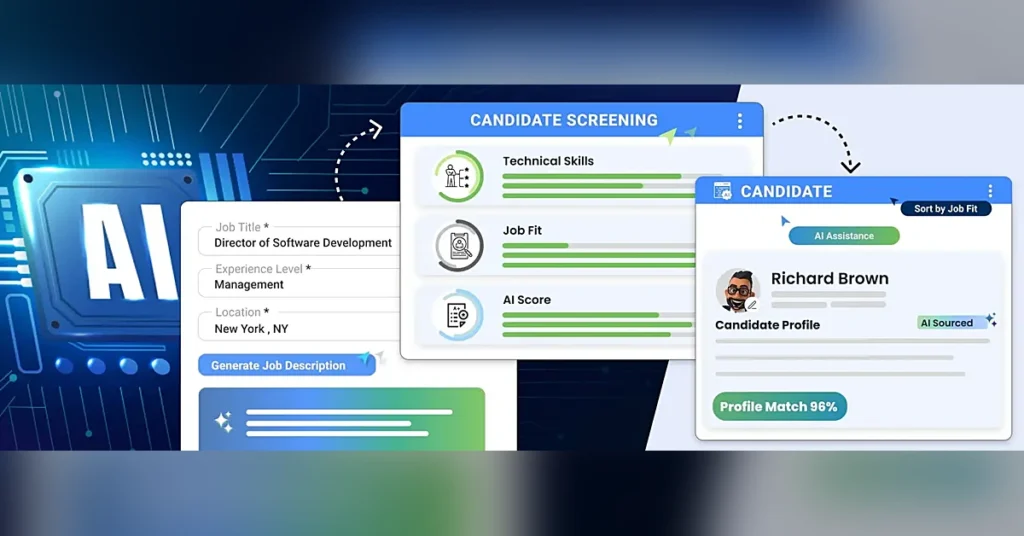
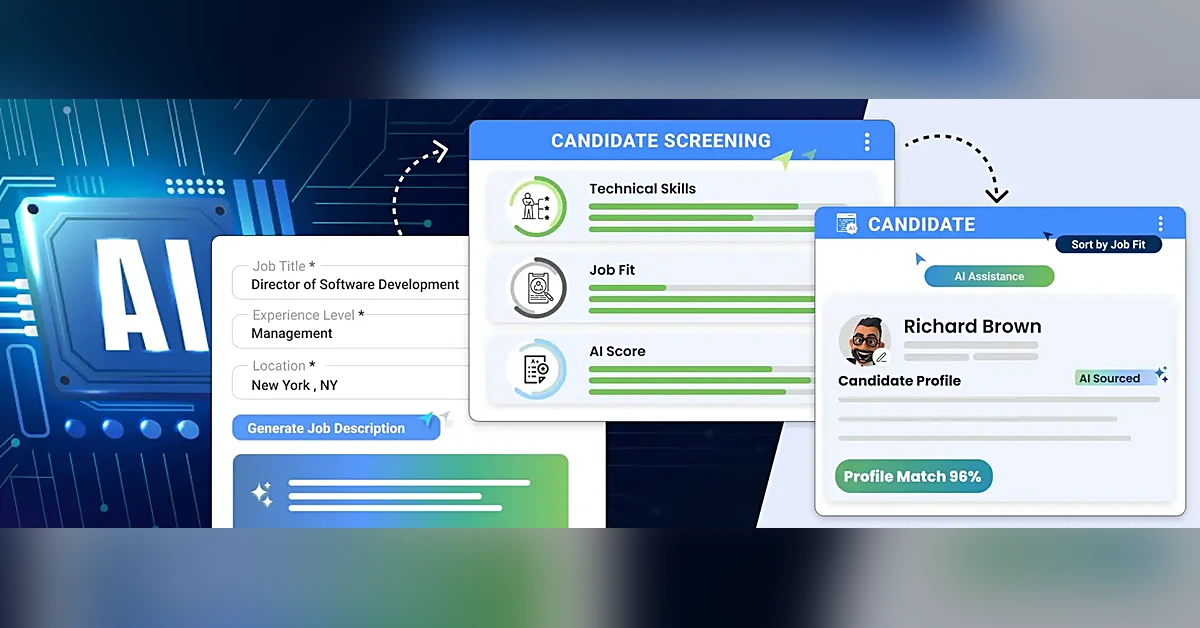
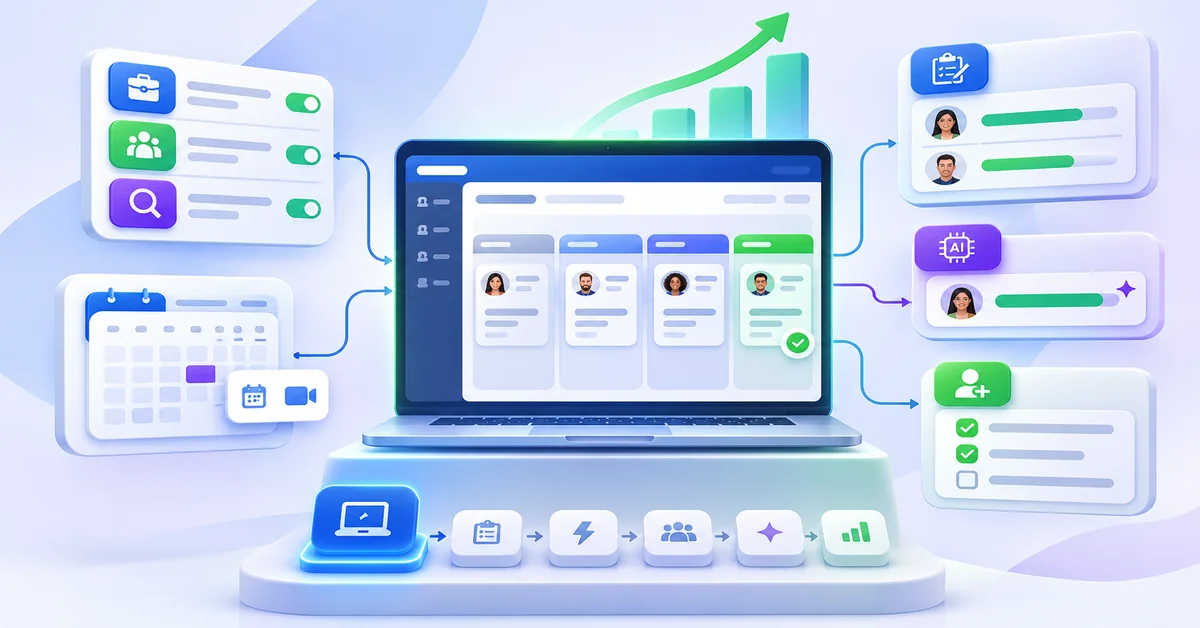
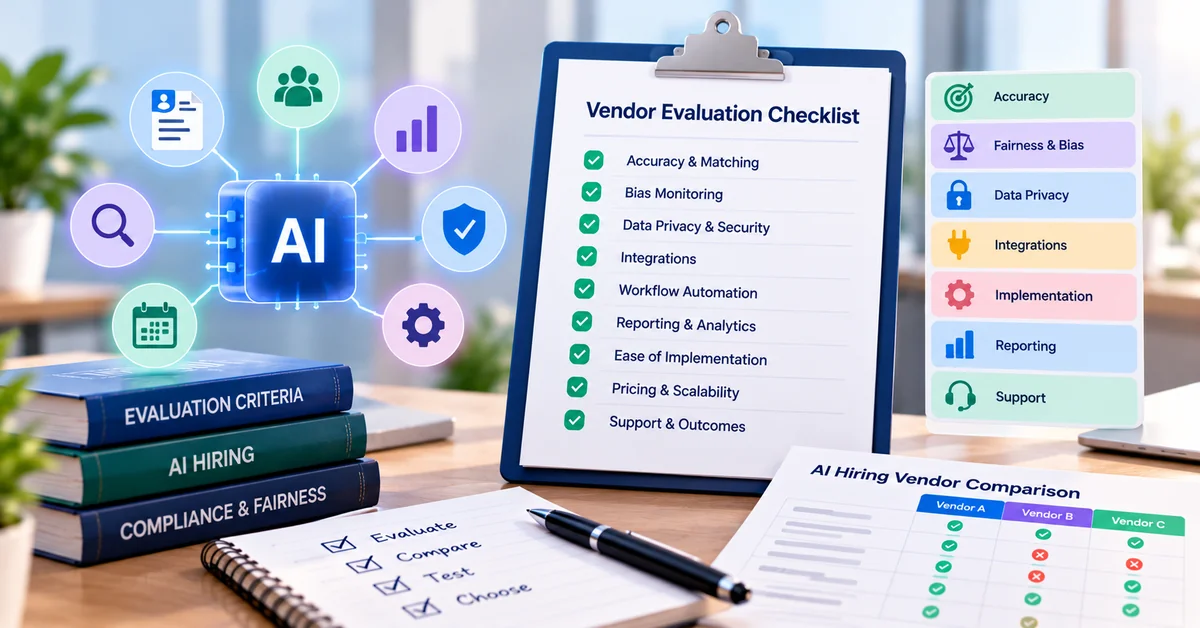
Here’s where the actual work unfolds. Unlock patterns and insights with machine learning and arrive at a blue print of the candidate to analyse whether he/she can be the next perfect hire for your team. Modern predictive hiring software integrates with your ATS and assessment platforms to operationalize these models and help teams act on the insights.
Candidate scoring
Needless to say, you will still have multiple candidate profiles when you arrive at this juncture. Here’s where candidates are scored on various other parameters like cultural fit, cognitive abilities, KPIs etc.
Shortlisting
And you are done. Almost. Recruiters who take the final call now are handed over the final short listed candidates for further steps.
Benefits of Predictive Hiring
Predictive hiring is not just another trend or fad. It is here to stay and is definitely a strategic advantage for your team. Organizations of all capacities and requirements are now using Predictive Hiring as they are receiving tangible results.
Did you ask about benefits?
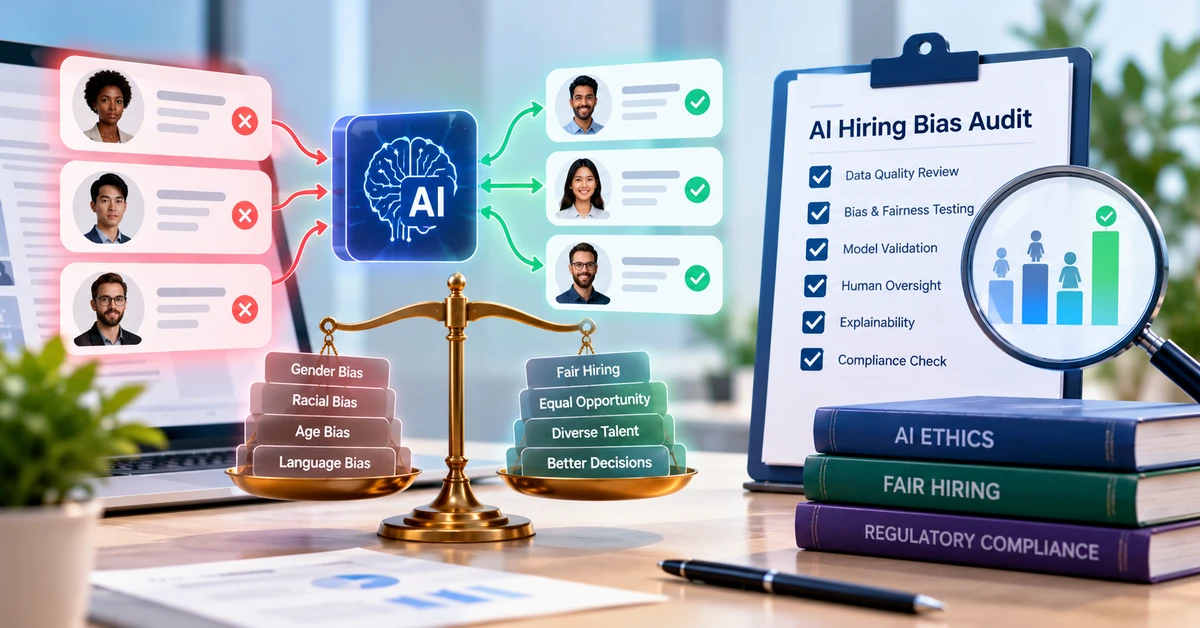
No scope for bias: When it comes to human led screening, there is an undeniable fact that we come with many expectations and have bias towards a candidate in the very first meeting. It need not be race, color and gender alone, it can also be a bias in the technical competency of the candidate. With Predictive Hiring, you have none!
Better Hires. Not just Quicker:
It is more about quality rather than speed. Since a resume is not the sole source of assessment, and also includes other areas like psychometric assessments, behavioral traits and past performances, Predictive hiring helps pinpoint candidates who fit the role and the team, not just check boxes.
Our case studies in Healthcare, Insurance, Hospitality, Banking and Food industries have been instrumental in how predictive hiring has transformed the quality of hires.
One of our customers is a leading retail chain who have recently taken the plunge into predictive hiring. Upon analysing their historical data, valuable insights were uncovered which helped the management take significant decisions – thereby changing their entire hiring criteria.
This could be you!
Predictive Hiring
With great power comes great responsibility. Let us talk about the best practices for using Predictive Hiring.
Keep Your Data Clean & Compliant
Make sure your models are built on accurate, bias-free information.
- Collect data ethically with clear consent
- Stay GDPR/CCPA compliant
- Regularly audit and update data
- Never include sensitive attributes (like race, age, gender)
Define Success Before You Start
If you can’t measure it, you can’t improve it. Track the right metrics from day one:
- Quality of hire
- Time-to-fill
- Early turnover
- Candidate satisfaction
- Interview-to-hire ratio
Align HR and Data Teams
For predictive hiring to work, HR and data experts must collaborate closely.
- Bring HR in early to shape the model
- Sync on goals, data inputs, and ethics
- Train recruiters to interpret predictive scores
Conclusion:
Predictive hiring replaces guesswork with data-driven decisions leading to faster, smarter, and fairer recruitment.
- Predicts candidate success before the offer
- Reduces bias and improves quality-of-hire
- Cuts early turnover
- Works across industries, from tech to healthcare
Frequently Asked Questions
What is predictive hiring and how is it different from traditional hiring?
What is predictive hiring and how is it different from traditional hiring?
Predictive hiring uses AI, machine learning, and historical performance data to forecast how well a candidate will perform in a specific role before they’re hired. Unlike traditional approaches that rely heavily on resumes and interviews, it analyzes patterns across behavioral assessments, cognitive testing, and job performance indicators to identify traits like problem-solving ability, adaptability, and cultural alignment. Teams often layer predictive hiring analytics on top to interpret model outputs and continually refine hiring criteria.
How does predictive hiring work in practice?
It starts with rich data collection from multiple sources—resumes, LinkedIn, psychometrics, video and technical assessments—creating a comprehensive candidate profile. Machine learning models then uncover patterns and produce a “blueprint” of likely job success. Modern tools integrate with your ATS and assessment platforms to operationalize these insights. Candidates are scored on parameters such as cultural fit, cognitive abilities, and role-relevant KPIs, leading to a shortlist that recruiters use for the final selection.
Does predictive hiring replace human judgment?
No. It’s a blend of data and human intervention. Predictive models surface insights and scores, but recruiters still take the final call. Teams are trained to interpret predictive scores, apply context, and make informed decisions—using data to enhance, not replace, expert judgment.
What benefits can organizations expect, and in which industries does it work?
Predictive hiring aims to replace guesswork with data-driven choices, improving quality-of-hire, reducing early turnover, and making recruitment faster and fairer. It’s designed to reduce bias by relying on consistent, multi-source data rather than first-impression judgments. Case studies span healthcare, insurance, hospitality, banking, food, and retail—where analyzing historical data led one retailer to revise its hiring criteria and improve outcomes. It’s effective across industries, from tech to healthcare.
What best practices and metrics should we follow to implement and measure success?
Keep data clean and compliant: collect ethically with consent, stay GDPR/CCPA compliant, audit and update data regularly, and exclude sensitive attributes like race, age, and gender. Align HR and data teams early on goals, inputs, and ethics, and train recruiters to interpret scores. Track success with clear metrics from day one—quality of hire, time-to-fill, early turnover, candidate satisfaction, and interview-to-hire ratio.